
Digital Trust Forum
"Because in digital business, trust isn't a feature. It's the foundation."
A European seminar for business leaders at the frontier of identity, AI, and financial compliance.
- Trust Foundations
- Digital Identity & Wallets
- Enterprise & Cyber Resilience
- Financial Trust & RegTech
- AI Trust & Agents
- Cross-border & Sovereignty
Digital trust is the foundation of everything we do online.
Every time you sign a contract, share data, log into a service, or send a message — you're placing trust in a system. Most of the time, that system is invisible. And increasingly, it's under pressure.
The Digital Trust Forum brings together the people shaping that system: policymakers, technologists, business leaders, and identity experts. Not to talk at each other — to build bridges.
- 27 Oct 2026
- Inaugural edition · Sofia, Bulgaria
- eIDAS 2.0
- EU Digital Identity Wallet rolling out now
- Agentic AI
- Who's responsible when an AI agent acts on your behalf?
- AI Act
- Europe's landmark AI regulation shaping trust in AI
Hear the argument before you're in the room.
Jeroen van Hertum and Kristiana Kuneva take apart the question the whole forum is built around: your customers place a quiet bet on your reputation every day, and most companies pay for that trust without ever getting the credit. 25 minutes, and a fair preview of the tone on 27 October.
Watch on YouTubeWhat we'll talk about
Real conversations. No vendor pitches. A programme built around questions that actually keep people up at night.
Trust Foundations & Accountability
What is digital trust, who is responsible for it, and how do you measure it?
What is Digital Trust?
Why "trust" isn't just a feature or a checkbox — it's a relationship. What builds it, what breaks it, and who decides.
Digital Identity, Credentials & Wallets
Who are you, and what can you prove?
Your Identity, Your Rules
The European Digital Identity Wallet, eIDAS 2.0, and self-sovereign identity: what it means to finally own your own credentials — and what it means for anyone who needs to verify them.
The Identity Ecosystem
IAM, digital certificates, and the invisible infrastructure behind every login, signature, and transaction. How it holds together — and where it doesn't.
Qualified Trust Services & QTSPs
Behind every legally binding digital signature is a Qualified Trust Service Provider accredited under eIDAS. Who they are, what they guarantee, and why they're the quiet backbone of digital Europe.
Passkeys & the Passwordless Future
Over a billion people already use passkeys. Passwords are dying — finally. What this means for customer onboarding, authentication UX, and the security posture of every digital product.
The Wallet Wars
Your identity, payment card, driving licence, and health record — all on your phone, in one wallet. The eIDAS wallet, Apple, Google, and verifiable credentials are colliding. Who controls the infrastructure of everyday trust?
Enterprise Trust, Zero Trust & Cyber Resilience
Does the system stay trustworthy under attack or failure?
DORA: Resilience for Financial Services
The Digital Operational Resilience Act is live — and aimed squarely at banks, payment institutions, fintechs, and crypto providers. Practical steps for organisations still catching up.
Post-Quantum Cryptography
"Harvest now, decrypt later" — adversaries are already collecting encrypted data to crack once quantum computers mature. NIST standards are out. The migration clock is ticking and most organisations haven't started.
Financial Trust, KYC/KYB & RegTech
Is this counterparty real, compliant, and safe to transact with?
KYC, KYB & Digital Onboarding
Verifying who your customer is — quickly, compliantly, and without friction. How eIDAS 2.0 changes the game for fintechs doing identity checks at scale.
AML in the Digital Age
The EU AML Regulation and the new AMLA authority are reshaping compliance obligations across financial services. What changes, what stays hard, and how technology helps.
RegTech: Compliance That Actually Works
Technology that turns regulatory obligations from a burden into a competitive edge. From automated monitoring to audit trails — how smart fintechs are building compliance in, not on.
Open Finance & PSD3
The next wave of open banking is here. PSD3 and the Financial Data Access framework raise the bar on consent, security, and trust between financial institutions and their customers.
Deepfakes, Fraud & Synthetic Identity
Fraudsters now generate convincing faces, voices, and documents on demand. How financial institutions detect synthetic identities — and rebuild confidence in digital onboarding.
AI Trust, Agents & Content Authenticity
Is it real, and what is this agent allowed to do?
Agentic AI & Trust
AI agents that book, decide, sign, and transact on your behalf — autonomously. Who is legally responsible? Can an AI have a verified identity? Can it sign a contract? The frontier nobody has figured out yet.
Sovereignty & the corridor
A thread that runs through every pillar — not a category of its own. Does trust work across borders, and who controls the infrastructure?
Digital Trust Across Borders
Bulgaria, the Netherlands, and the EU single digital market. Where cross-border financial services work seamlessly — and where the friction still is.
Data Sovereignty
GDPR, the Data Act, and what "control" actually means when your data lives in five jurisdictions. Especially relevant for any business operating across EU borders.
How the afternoon flows
An afternoon of focused conversation, closing with an evening reception. Built to respect your time — substantial, but never sprawling.
Indicative timing. The full programme and speakers will be announced closer to the date.
Meet the speakers
Recognised voices from across government, industry and the forum itself.

Bart Lamot
Bart Lamot is a Senior Innovation Manager at the Dutch Ministry of Defence, where he works at the intersection of technology, innovation and organisational change.
With more than 20 years of experience in technology and digital innovation, Bart has worked across both the public and private sectors in senior technology, management and innovation roles. His career spans software development, digital transformation, emerging technologies and the creation and leadership of innovation programmes.
Today, his focus is on exploring how new technologies can be introduced responsibly in environments where security, resilience and trust are critical. He is particularly interested in AI, cybersecurity, Zero Trust, data-centric security and the changing relationship between technology and human decision-making.
As a speaker, Bart looks beyond technology itself. He challenges audiences to think about what technological change means for organisations, leadership and trust, and how we can innovate without losing control of what matters most.
Sander Dijkhuis
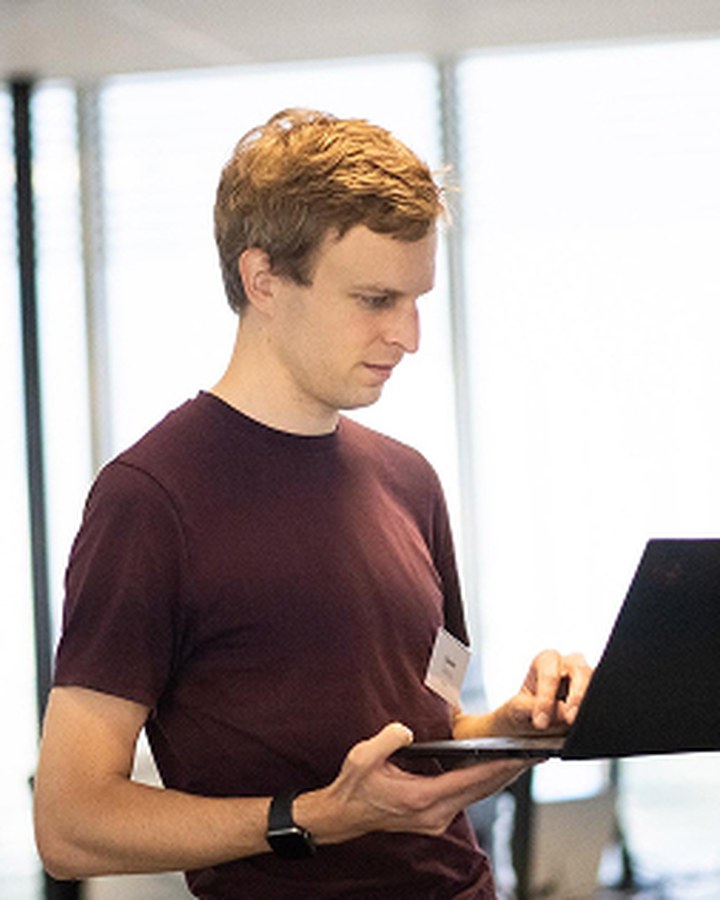
Sander Dijkhuis is Chief Technology Officer and co-founder of Cleverbase, a European qualified trust service provider (QTSP) specialising in digital identity, qualified electronic signatures and other trust services under eIDAS. He leads the architecture of the company's wallet and API platform.
His work sits at the intersection of European trust regulation and secure system design. He participates in the ENISA ad hoc working group on cybersecurity certification for the EU Digital Identity Wallet, sits on the Technical Committee of the Cloud Signature Consortium, and has built authentication technology for mobile eID applications and cryptographic wallet systems.
Sander's focus is translating regulatory frameworks into practical, interoperable platforms for secure information exchange across Europe, contributing to wallet pilot initiatives and to standards development through ETSI and CEN.
Prof. D. Sc. George Dimitrov
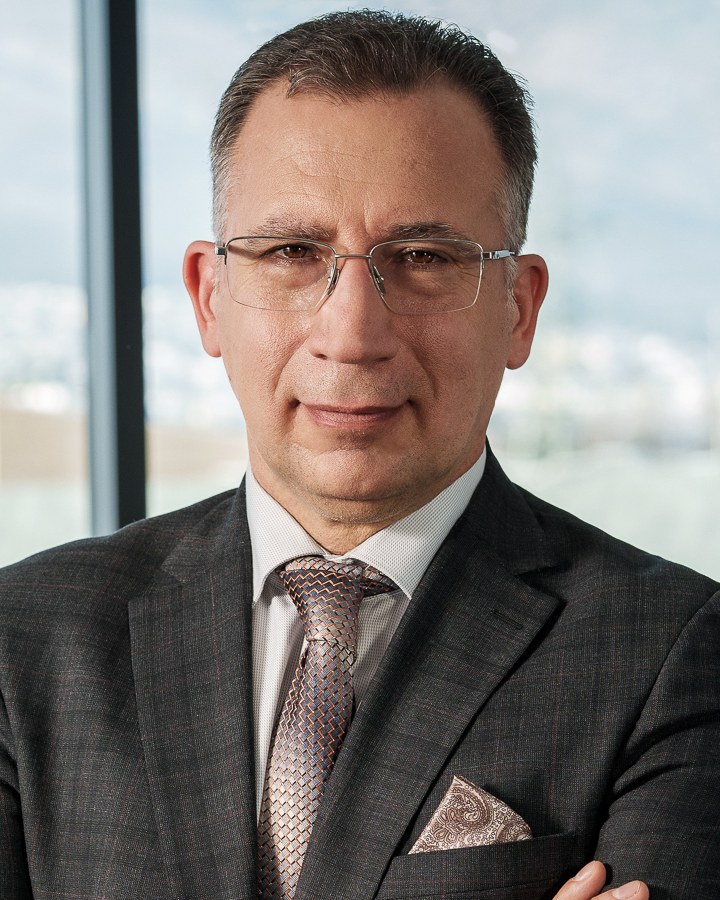
Prof. D. Sc. George Dimitrov is a leading Bulgarian jurist with international recognition in the field of information and communication technology (ICT) law, professor at the University for Library Studies and Information Technologies in Sofia, Bulgaria, and an author of over 20 academic books and hundreds of articles.
He is the Chairman of the Board of Directors of Evrotrust — the Bulgarian national electronic identification scheme and an accredited certification provider for electronic signatures in Europe — and the co-founding partner of Dimitrov, Petrov & Co., a leading Bulgarian law firm.
Prof. Dimitrov has made long-standing contributions to European legislation as a panelist at the Czech Arbitration Court for the .eu domain ADR and at the Arbitration Court at the Bulgarian Industrial Association, as well as the head of key European working groups that developed modern digital legislation.
Dr. Hristian Daskalov
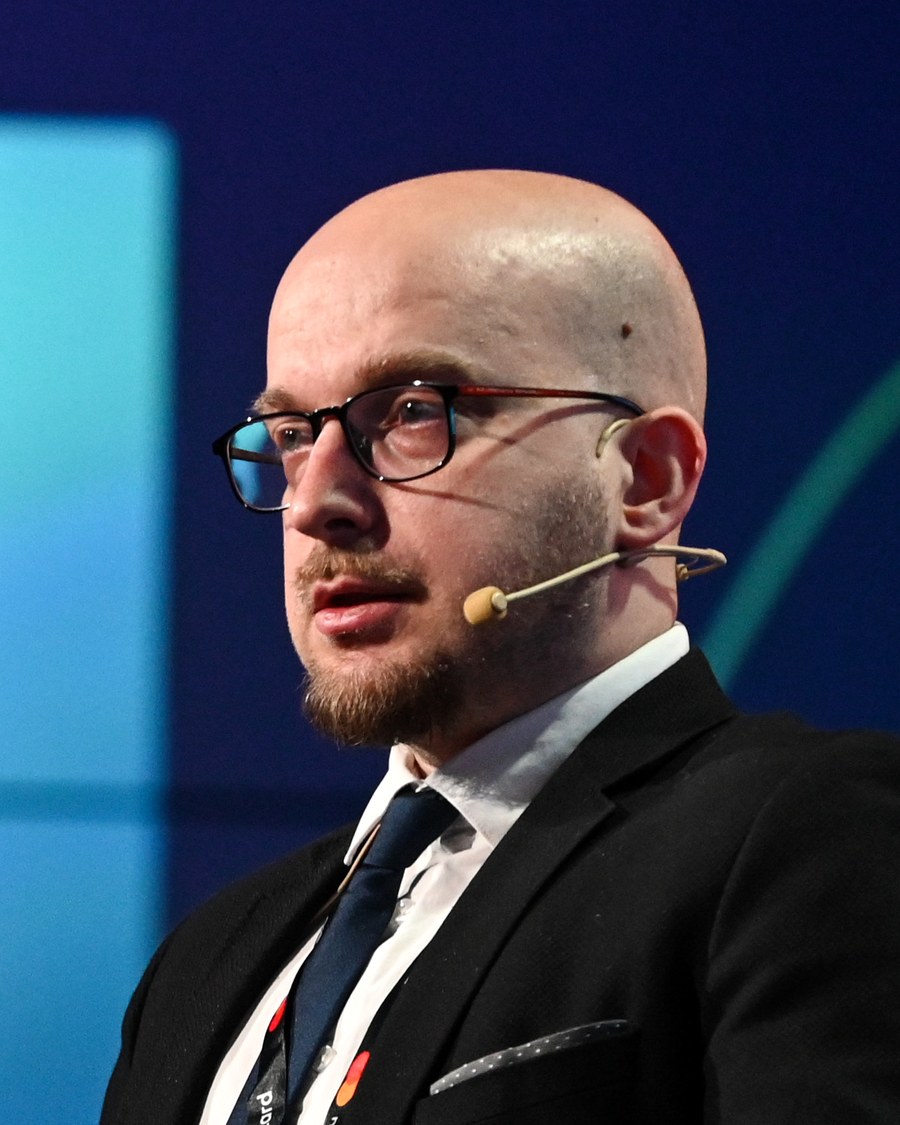
Dr. Hristian Daskalov is a cybersecurity and digital policy expert with extensive experience in regulatory compliance, digital transformation and EU technology policy.
In addition to his role at Evrotrust, he is involved in several European innovation and cybersecurity initiatives, and regularly works on bridging regulatory frameworks with practical technology implementation.
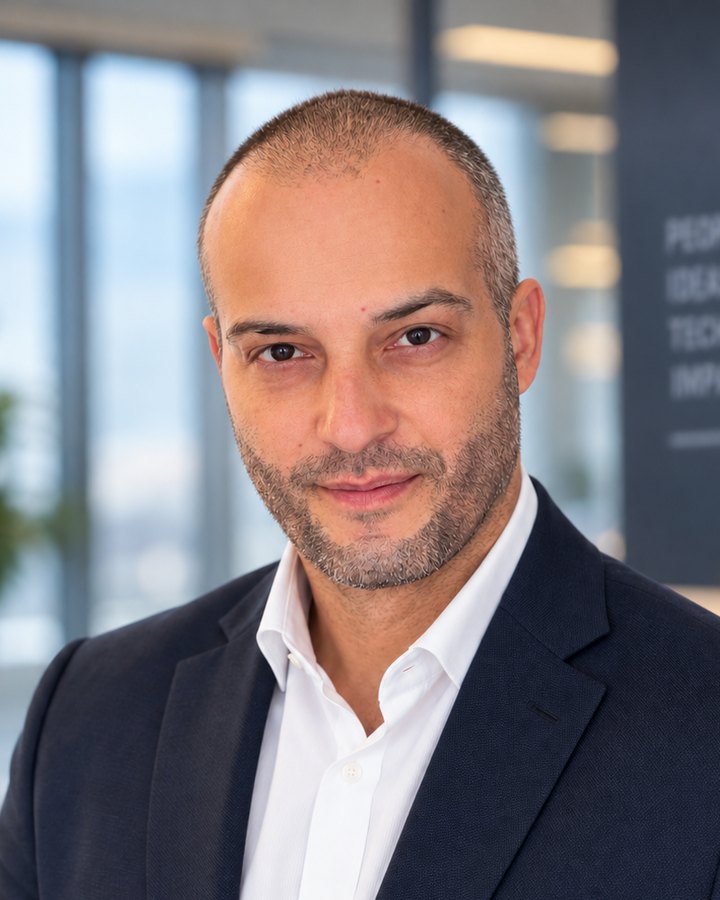
Alexander Nakov
Alexander Nakov is an experienced IT leader with a career spanning enterprise technology, infrastructure, service delivery and technical operations. Before joining ICT Strypes, he built extensive experience in large-scale international IT environments, including DXC Technology, working with complex technology organizations and global customers.
Today, as Head of SEI at ICT Strypes, he leads the DevOps, Infrastructure, Cybersecurity and Web capabilities, supporting major high-tech customers such as ASML. Alexander combines deep technical understanding with years of leadership experience, with a strong focus on reliable technology, effective teams and delivering solutions that create tangible business value.
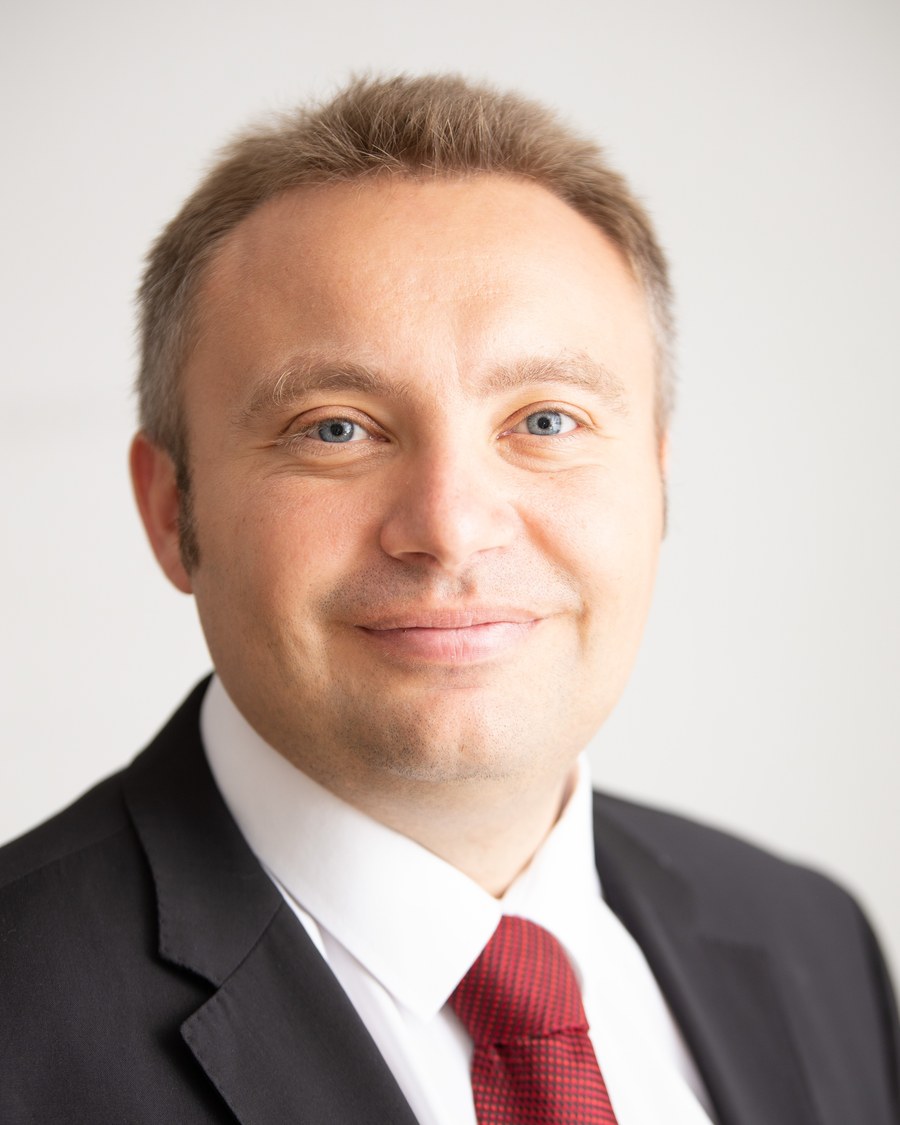
Ivan Pepelov
Ivan Pepelov is an identity and project management professional who has worked in the identity-security space for more than 15 years. He has led and implemented multiple identity management projects using the world's leading vendors.
As Chief Executive Officer of IDVKM, Ivan and his team are active in every phase of an identity management project — advisory, development and operations — across all three of its dimensions: identity governance and administration, access management and consumer identity & access management, and privileged access management.
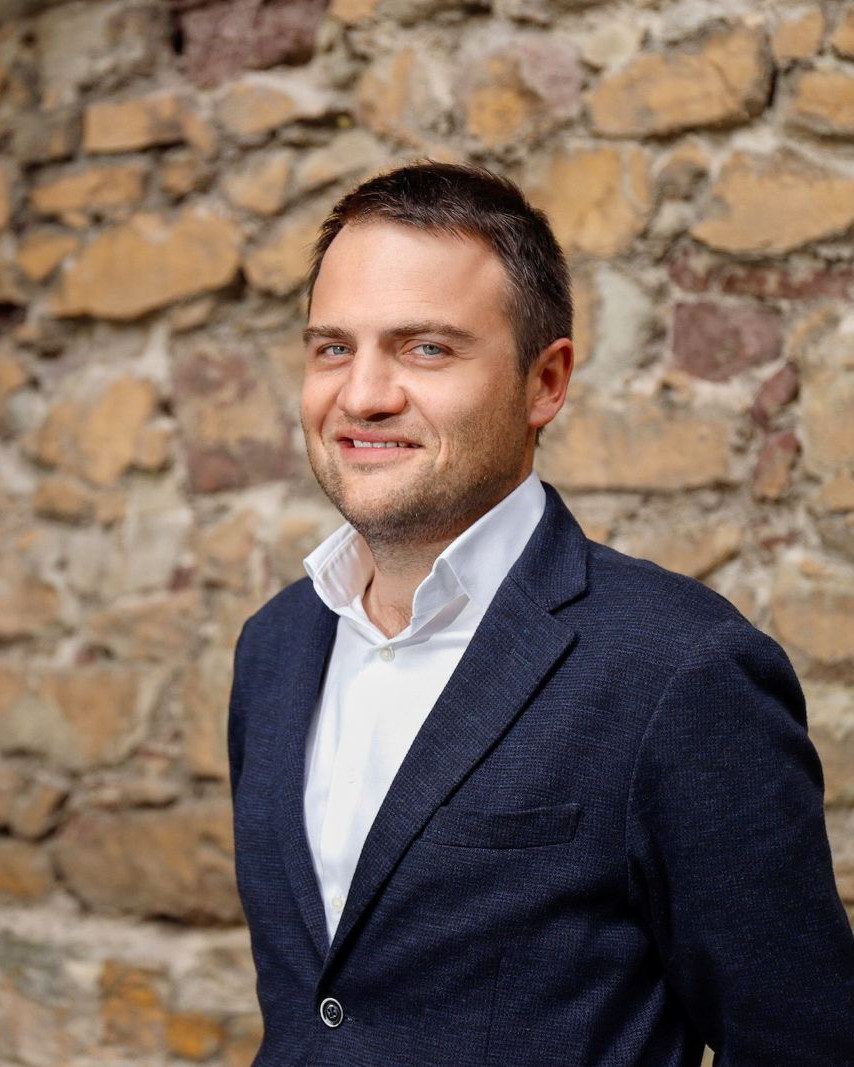
Max Gurvits
Max Gurvits is a Dutch/Bulgarian entrepreneur and investor based in Sofia, Bulgaria. Founder of two exited startups, previously founding team member of Eleven Ventures in Bulgaria and US-based Cross Border Angels, Max has been active in startup and venture ecosystem development worldwide. Since 2020 he is the founding and managing partner of Vitosha Ventures, a EUR 60m CEE venture capital firm in Sofia, Bulgaria, and serving as Deputy Chair of the Bulgarian Venture Capital and Private Equity Association (BVCA).
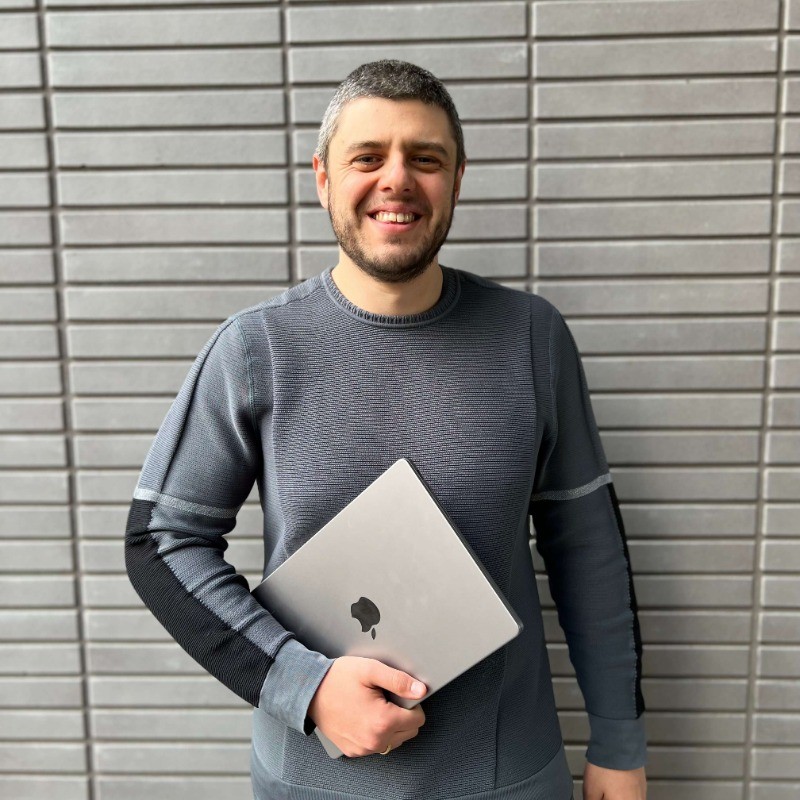
Aleks Terziev
Aleks Terziev is a Chief Technology Officer and co-founder of Codelevate. With 10+ years of experience in the Netherlands, he leads the technical department of the company, from system architecture and cloud infrastructure to AI implementation and software engineering.
His background is in cloud software engineering and architecture, with experience designing and building scalable applications across AWS, Google Cloud and Azure. In recent years, his work has increasingly focused on applied AI, AI agents and agentic workflows, exploring how large language models can be integrated into real business processes while maintaining reliability, security and human control.
Aleks's current focus is on AI-native software development and the changing role of engineering in the age of AI. He is particularly interested in specification-driven development, AI agents, structured and unstructured data, cloud architecture and how human and AI engineering teams can work together to build software faster without sacrificing quality or scalability.

Jeroen van Hertum
Jeroen van Hertum is the founder of Sourcelab, a European technology consultancy, and a board member of the Dutch Bulgarian Chamber of Commerce.
He started Sourcelab the way these things should start: from a 45m² apartment in the heart of Amsterdam, bed in the corner, desks in the middle. Thirty years on, he has built advanced digital products for startups, fintechs, banks and large enterprises across Europe, working between Bulgaria and the Netherlands. That range, from small teams shipping fast to regulated institutions carrying real risk, is what he brings to the forum: a practical, cross-border view of how digital trust actually gets built, and where it breaks.
Jokingly, Jeroen calls himself an evangelist for digital trust, convinced that a product can be copied overnight but a reputation cannot. He opens the forum with the talk the whole event is built around: what digital trust is, why it is now a business advantage rather than a cost, and what it takes to earn it.
More speakers — keynote, fireside and panel voices from across government, industry and policy — are being confirmed over the coming weeks. Know someone who should be in the room? Let us know. Want to speak yourself? Pitch a talk.
Hyatt Regency Sofia
A five-star hotel on Vasil Levski Square, right in the heart of Sofia — easy to find, easy to reach.
Sofia Center, Vasil Levski Sq
1504 Sofia, Bulgaria
The rules are changing. Fast.
Europe is rolling out the most significant digital identity and AI regulation in its history — all at once. Organisations that understand the landscape now will shape it. Those that wait will play catch-up.
eIDAS 2.0 is live
The EU Digital Identity Wallet is rolling out across member states. For fintechs, this changes how KYC and customer verification work — fundamentally.
The EU AML overhaul is here
The new EU AML Regulation and the AMLA authority (based in Frankfurt) are rewriting compliance obligations across financial services. The clock is already ticking.
DORA is in force
Since January 2025, the Digital Operational Resilience Act applies to banks, fintechs, payment institutions, and crypto providers. Many are still figuring out what it means in practice.
Trust is a competitive advantage
In a world of synthetic identities, AI-generated fraud, and tightening regulation — the fintechs that get trust right will win the customers that matter.

Trust is the opportunity we're ignoring.
For over thirty years I've built advanced digital products for startups, fintechs, banks and large enterprises. The playing field has shifted completely. In the early days the technology led, or rather, whatever the developers said went. Today there is far more to the game.
Talking with other business leaders, we kept reaching the same conclusion: people have gone numb. They assume their data is already in the hands of criminal syndicates. A few months ago my own credit card was hacked, one I only ever used with credible organisations. I asked my bank what I could have done better. Nothing, they said. The big corporations are already hacked. Within ten minutes they refunded the full amount.
That is where it went wrong for me. I was glad to get my money back, but it meant even the institutions had given up the fight.
So I started this movement: to treat digital trust as a business opportunity, and to refuse to accept cyber-crime as the status quo. Strong security and low-friction usability, hand in hand.
The good news is that many are already pushing this forward. The World Economic Forum has built a solid framework for digital trust, and the European Union is driving regulation and digital identity, all to protect us as citizens of a free and open Europe. These are the people I want to meet, and the reason for this forum. The ones building, questioning and pushing digital trust forward belong in the same room. Our speakers are part of that movement, and I hope you will be too.
We're building this together.
The Digital Trust Forum is not a product — it's a collaboration. We're looking for organisations who want to put their name and energy behind a conversation that matters. Not sponsors with a logo slot, but partners who help shape what this becomes.
If your organisation works in technology, policy, identity, security, or simply cares about the future of digital Europe — we'd love to hear from you.
Built with people who actually know.
The best sessions come from practitioners, not presenters. We're assembling a small group of organisations who work at the frontier of digital trust — QTSPs, identity providers, RegTech builders, compliance specialists — and giving them a real role in shaping what gets discussed.
Programme contributors don't sponsor the summit. They co-create it. In return, they get genuine visibility with an audience that is exactly their market — and the credibility of being the people who made the conversation happen.
QTSP Knowledge Partner
A Bulgarian qualified trust service provider listed on the EU Trusted List, delivering qualified electronic signatures, electronic identification, timestamps and electronic delivery from a mobile app — with remote identity verification across 61 countries and more than a million active users.
evrotrust.comQTSP Knowledge Partner
A Dutch qualified trust service provider listed on the EU Trusted List, issuing qualified certificates for electronic signatures through the government's PKIoverheid hierarchy — assessed under eIDAS against the ETSI EN 319 411 series, with an API-first platform for identity verification and EU digital wallet integration.
cleverbase.comCyber Resilience Knowledge Partner
A Bulgarian-founded engineering house of 700+ people across Sofia, Plovdiv, Varna and Burgas, part of the Dutch ICT Group — working the infrastructure layer of digital trust: managed detection and response, vulnerability management and penetration testing, plus OT and IoT hardening for industrial systems, delivered under ISO 27001.
ict-strypes.euRegTech / AML Partner
Practical expertise on AML, KYC, and the technology making financial compliance faster and more reliable.
AI Trust Partner

An Amsterdam-based AI development studio building AI-native agents, automations, and SaaS platforms for B2B SMEs — production-ready, secure, and compliant, with 120+ projects delivered.
codelevate.comInterested in contributing? Let's talk
Ecosystem partners.
We can build the programme. Getting the right room together takes people who already have the relationships. That's what our ecosystem partners bring.

The organisers
A small, motivated group with deep roots in both the Bulgarian and Dutch business communities — and a shared belief that digital trust matters.
European technology consultancy bridging Dutch and Bulgarian business ecosystems. Sourcelab initiates the Digital Trust Forum and coordinates the programme.
sourcelab.eu
The bridge between Dutch and Bulgarian business communities. As a co-organiser, the Dutch Bulgarian Chamber brings the cross-border perspective that makes this forum genuinely European.
dutchchamber.bgKeep me posted
Leave your details and we'll keep you posted with regular emails about the forum and the organisation.
Whether you want to partner or speak — drop us a line. We read every message and respond to all of them.